01 — Attention
Pocket to face changes the attention contract.
Phones trained us to pull a device, unlock, navigate, return to the world. Glasses invert the default: the world stays primary, computing intrudes in glances. That changes what “good” means — latency, interruption, social signal, and whether the user can tell when the device is wrong.
Demo-grade AR impresses in keynotes. Indispensable AR earns a repeat glance because the user trusts what it shows.
02 — Indispensable
Indispensable beats impressive on smart glasses.
Captioning for deaf users, surgical overlays, field checklists — the wins are narrow and accountable. The losses are also narrow and public: camera anxiety, wrong overlay, battery death mid-task.
Designers who import mobile chrome onto lenses mistake container for context. The interface disappears only when the user believes the glance.
Indispensable experiences are specific: captions, checklists, overlays tied to a task with a clear start and end. Impressive experiences are broad demos that do not survive Tuesday.
03 — Social Signal
You are always wearing the product.
Glasses change social signal. Consent, camera indicators, and off states users can trust are not compliance checkboxes — they are the product. If the wearer cannot prove the device is not recording, the feature set does not matter.
That is why studio wearables work — Even Realities G1 and Mentra Live — is framed as validation, not a feature shelf. The question is glanceable trust under real attention split, not whether the model can run on the device.
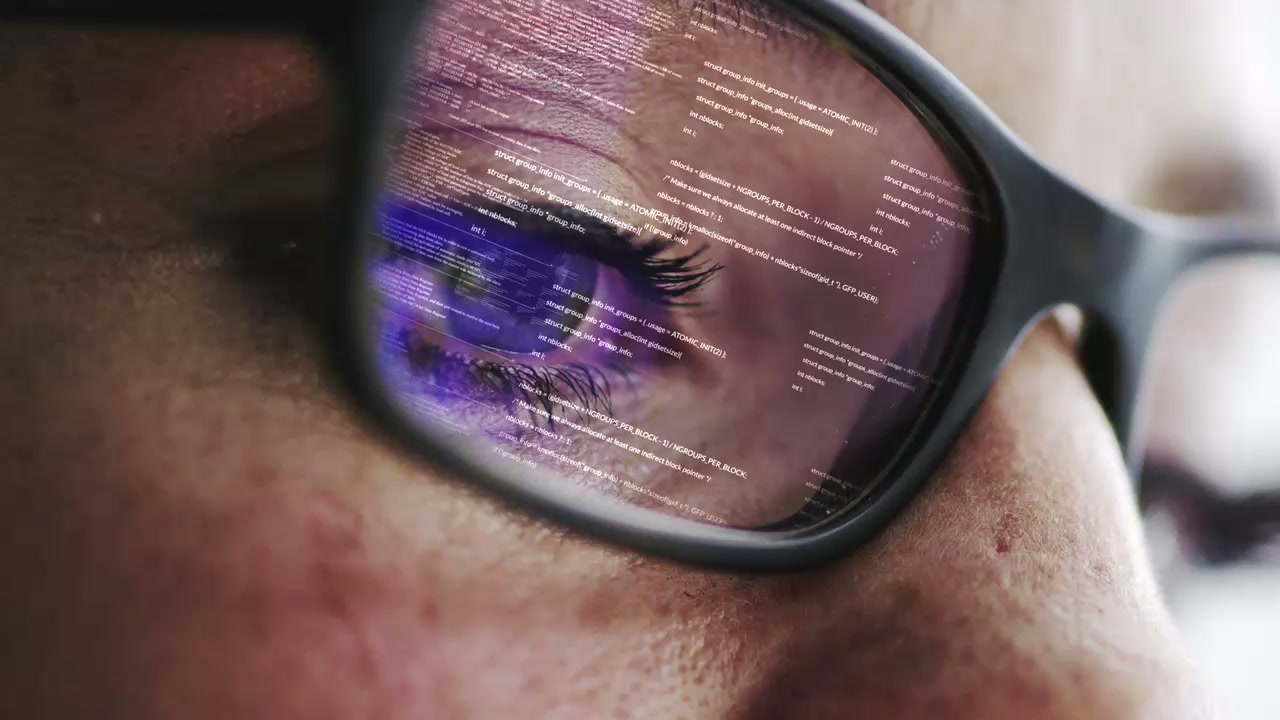
04 — Failure Mode
Ambient computing still needs an accountable failure mode.
When AR fails, it fails in public — on someone’s face, in someone’s line of sight. Recovery must be fast and honest: what was wrong, what to do without the device, how to turn it off.
Design for interruption: how fast can the user return to unaugmented reality when the device fails? Failure modes on the face are social failures, not private error toasts.
05 — Transfer
What transfers from consequential systems work.
The same discipline shows up in healthcare and security incubation work: name the liable role, show provenance, do not impersonate authority the system does not have. On the face, “authority” is whether the glance was worth the social cost.
Wearables are where that discipline meets hardware constraints — small field of view, voice-only input, no room for cargo UI.
The test: would you wear this on Tuesday in front of colleagues who did not opt into your demo? If the honest answer is no, you built keynote AR—not glanceable trust.